by Admin | Jun 12, 2023 | Allergy Relief
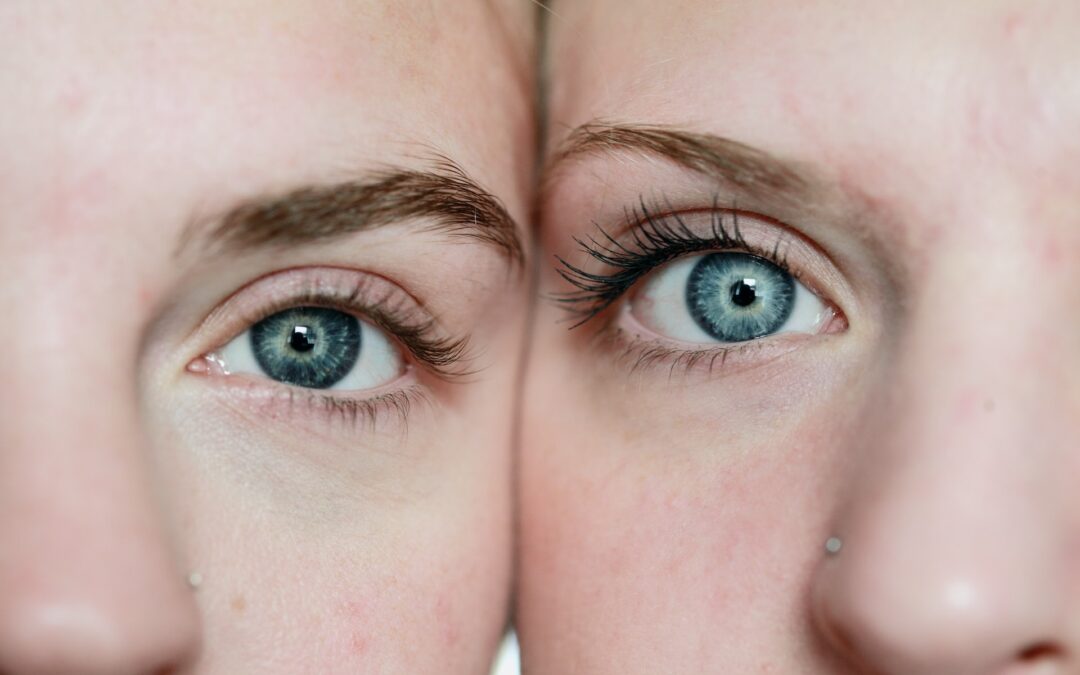
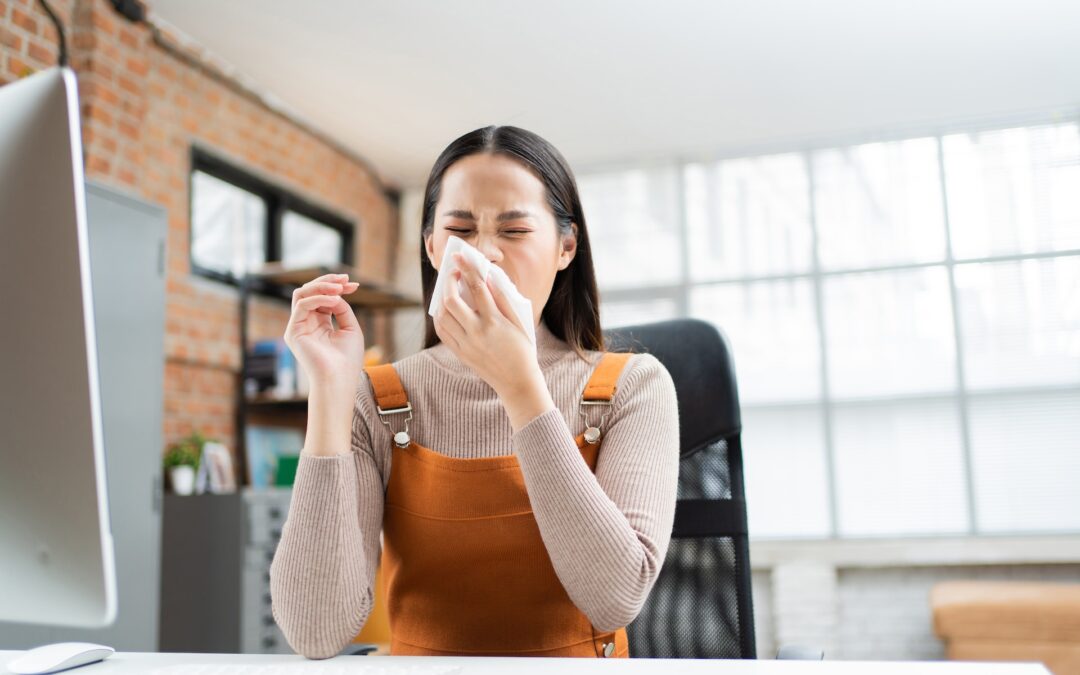
Itchy, red, and watery eyes can be uncomfortable and irritating, significantly affecting your daily activities. While the symptoms may appear similar, the causes behind them may differ. Usually, these symptoms may point to either pink eye (conjunctivitis) or allergies. Understanding the distinctions between these conditions is essential in determining the proper treatment and management approach.
This blog will check the significant differences between pink eye and allergies, their causes, symptoms, and treatment options to help you decide about your eye health.
Pink Eye (Conjunctivitis)
Pink eye or conjunctivitis is an irritation of the conjunctiva, the thin, clear part that lines the eyelid’s interior and covers the eye’s white part. This eye inflammation can cause blood vessels to become more visible, resulting in a characteristic red or pink appearance.
There are principal types of pink eye. Each type has unique causes, symptoms, and allergy relief approaches.
1. Viral Conjunctivitis
The most common type of pink eye, viral conjunctivitis, is led by a viral infection, often associated with the common cold. This type of pink eye is highly contagious and can spread quickly through direct contact or contaminated surfaces.
2. Bacterial Conjunctivitis
Bacterial conjunctivitis occurs when bacteria infect the conjunctiva, often due to poor hygiene or contact with contaminated objects. This type of pink eye is also contagious and can cause more severe symptoms than viral conjunctivitis.
3. Allergic Conjunctivitis
An allergic reaction causes allergic conjunctivitis to an allergen, including pollen, dust, or pet dander. Unlike the other two types, allergic conjunctivitis is not contagious and often occurs alongside other allergy symptoms, such as sneezing and nasal congestion.
Allergies
Allergies take effect when the immune system overreacts to a harmless substance called an allergen. Common allergens include pollen, dust mites, pet dander, and mold spores. When you come into contact with any allergen, your body releases histamines, which cause inflammation and lead to various allergy symptoms, including red, itchy, and watery eyes.
Differences Between Pink Eye and Allergies
While pink eye and allergies share similar symptoms, there are some notable differences between the two conditions:
- Cause: Pink eye is caused by an infection or allergic reaction, while an immune system overreaction to an allergen causes allergies.
- Contagiousness: Viral and bacterial conjunctivitis are contagious, whereas allergic conjunctivitis and eye allergies are not.
- Accompanying Symptoms: Pink eye symptoms typically only affect the eyes, while allergies are often present with additional nasal and respiratory symptoms.
- Onset and Duration: Pink eye symptoms usually appear suddenly and can last several days to a few weeks, depending on the cause. Allergy symptoms may come and go depending on exposure to allergens and can persist throughout the allergy season or year-round.
Treatment and Management
Treatment for pink eye and allergies depends on the underlying cause:
- Viral Conjunctivitis: There is no specific treatment for viral conjunctivitis, as it usually clears up within one to two weeks. You can use artificial tears, a warm compress, and over-the-counter pain relievers to alleviate symptoms. It is essential to practice good hygiene, including washing your hands frequently and preventing touching your eyes, to prevent the spread of the virus to others.
- Bacterial Conjunctivitis: This type of pink eye is typically treated with prescription antibiotic eye drops or ointments. Following your healthcare provider’s instructions and completing the course of antibiotics is essential to ensure the infection is fully treated. Symptoms must begin to improve within a few days of starting treatment.
- Allergic Conjunctivitis: Treatment for allergic conjunctivitis includes avoiding the allergen, if possible, and using over-the-counter or prescription eye drops that contain antihistamines, decongestants, or corticosteroids to relieve itching, redness, and swelling. Oral antihistamines and allergy relief may also be recommended to help manage allergy symptoms.
- Allergies: Depending on the severity of your allergy symptoms, your healthcare provider may recommend over-the-counter or prescription medications, such as antihistamines, decongestants, or corticosteroids. It may recommend allergy shots, allergy relief, or immunotherapy for the long-term relief of symptoms. It is also necessary to identify and avoid allergens, if possible, to minimize symptoms.
Conclusion
Pink eyes and allergies can cause red, itchy, and watery eyes, but they have distinct causes and treatments. Pink eye is an infection begun by bacteria or viruses, while allergies result from an immune response to allergens. Proper diagnosis by a healthcare professional is essential for determining the appropriate treatment, including medications, allergy shots, or lifestyle changes. Practicing good eye hygiene and avoiding allergen exposure can help minimize symptoms and prevent the spread of infection.
QEStrong is a company that provides innovative health solutions for you, your family, friends, and even your pets. By harnessing the power of quantum energy and utilizing natural and organic ingredients in our products, we strive to offer safe, effective, and eco-friendly solutions for various health challenges throughout our extensive range of products. Explore our allergy relief products today and discover how we can revolutionize your path to health and wellness.
by Admin | Jun 5, 2023 | Health Solutions
Your immune system plays a crucial role in protecting your body from infections and diseases. It identifies and neutralizes harmful pathogens such as viruses, bacteria, and fungi that can cause illness. However, certain factors can weaken your immune system and make you more susceptible to infections. Here are some of them:
1. Chronic Stress
Stress is normal, but chronic stress can be harmful, especially to your immune system. When under stress, your body releases stress hormones such as cortisol and adrenaline, which can suppress the immune system’s response. Chronic stress can also lead to inflammation, further compromising your immune system’s ability to fight off infections.
2. Lack of Sleep
Getting enough sleep is crucial for maintaining a healthy immune system. During sleep, the body produces cytokines, a protein that helps fight off infections and inflammation. Lack of sleep can reduce the production of cytokines, making the immune system less effective in fighting off infections. It is recommended that adults get at least 7 hours of sleep every night to maintain a healthy immune system.
3. Poor Diet
Your diet plays a significant role in maintaining a healthy immune system. Consuming food that is low in nutrients and high in processed foods, sugar, and saturated fats can weaken the immune system. A diet rich in fruits, vegetables, whole grains, lean proteins, and healthy fats can help boost the immune system. Nutrients such as vitamin C, D, zinc, and antioxidants are particularly beneficial for immune health.
4. Lack of Exercise
Regular exercise can boost your immune system by improving circulation and reducing inflammation. At least 30 minutes of moderate exercise may help reduce stress and strengthen your immune system. However, lack of exercise can have the opposite effect, making you more susceptible to infections and diseases.
5. Smoking
Smoking damages the cells that line the respiratory tract, making it easier for viruses and bacteria to enter the body. Smoking also reduces the number of immune cells in the body, making it harder for the body to fight off infections. If you smoke, quitting can help improve your overall health and strengthen your immune system.
6. Alcohol Consumption
Excessive alcohol consumption can weaken the immune system, making it easier for infections to take hold. Alcohol interferes with the production and function of immune cells, making it harder for the body to fight off infections. It can also disrupt the balance of bacteria in the gut, which plays an important role in immune function.
7. Chronic Illness
Chronic illnesses such as diabetes, HIV/AIDS, and autoimmune disorders can also weaken your immune system. These conditions can affect your body’s ability to produce and utilize immune cells, making fighting infections harder. In addition, some treatments for these illnesses, such as chemotherapy for cancer, can also weaken the immune system.
8. Age
As you age, your immune system’s function naturally declines. This can make you more susceptible to infections and diseases. Older adults are also more likely to have underlying health conditions that can further weaken their immune system. These people need to receive recommended vaccinations and practice good hygiene and healthy habits to help protect their immune systems.
In Summary
Maintaining a healthy immune system is important for overall health and well-being. While some factors that weaken the immune system, such as age and genetics, cannot be controlled, many lifestyle factors can be. Eating a healthy diet, getting enough sleep, exercising regularly, reducing stress, and avoiding smoking and excessive alcohol consumption can all help support a strong immune system.
QEStrong offers a wide range of quantum energy supplements that can strengthen and support your immune system. Our products are specially formulated with natural ingredients and use advanced quantum energy technology to enhance their effectiveness.
Call (972) 777-5556 or email us at [email protected] for more information.
by Admin | Jun 5, 2023 | Pain Relief
Hip pain is a common problem among people of all ages. It can be caused by a variety of factors, including injury, disease, and wear and tear. Hip pain can be mild or severe and can greatly affect a person’s quality of life. Fortunately, there are many ways to manage hip pain. This article will provide a comprehensive guide to understanding and managing hip pain.
Understanding Hip Pain
Understanding can be defined as the ability to comprehend or grasp the meaning of something. It involves a process of analysis, interpretation, and synthesis of information to develop an insight or perspective on a particular topic or situation. To understand something, one must be willing to engage in active listening, critical thinking, and open-mindedness. It requires patience, empathy, and a willingness to consider different perspectives. Understanding is a crucial aspect of human communication and relationships, as it allows us to connect with others on a deeper level and develop a sense of shared meaning and purpose.
Diagnosing Hip Pain
Hip pain is a common complaint among people of all ages. Hip pain has various causes, including injury, arthritis, bursitis, and hip fractures. To diagnose the cause of hip pain, doctors may perform a physical exam, take a medical history, and order diagnostic tests such as X-rays, MRIs, or CT scans. Blood tests may also be used to rule out infections or other systemic conditions. Once the cause of hip pain is determined, doctors can develop an appropriate treatment plan, including medication, physical therapy, or surgery. It is important to seek medical attention if you experience hip pain that lasts for more than a few days or is severe enough to limit your mobility.
Managing Hip Pain
Hip pain is a common complaint among people of all ages. Hip pain has various causes, including injury, arthritis, bursitis, and hip fractures. To diagnose the cause of hip pain, doctors may perform a physical exam, take a medical history, and order diagnostic tests such as X-rays, MRIs, or CT scans. Blood tests may also be used to rule out infections or other systemic conditions. Once the cause of hip pain is determined, doctors can develop an appropriate treatment plan, including medication, physical therapy, or surgery. It is important to seek medical attention if you experience hip pain that lasts for more than a few days or is severe enough to limit your mobility.
Preventing Hip Pain
1. Exercise Regularly
Regular exercise can help strengthen the muscles around the hip joint, reducing the risk of injury and pain. Low-impact exercises such as swimming, cycling, and walking are excellent options for strengthening the muscles without putting undue stress on the hip joint.
2. Maintain a Healthy Weight
Maintaining a healthy weight can help reduce the stress on the hip joint, reducing the risk of wear and tear and arthritis. Being overweight can strain the hip joint, increasing the risk of hip pain.
3. Use Proper Lifting Techniques
Using proper lifting techniques can reduce the risk of muscle strain and injury. When lifting heavy objects, bending the knees and keeping the back straight are important to avoid putting undue stress on the hip joint.
Conclusion
Hip pain can greatly impact a person’s quality of life, but there are many ways to manage and prevent it. Understanding the causes of hip pain, seeking a proper diagnosis, and following a treatment plan can help reduce pain and improve mobility. By taking steps to prevent hip pain, such as exercising regularly and using proper lifting techniques, a person can reduce their risk of developing hip pain in the future.
If you’re looking for natural pain relief, try QEStrong today! Take the first step towards a more comfortable and pain-free life. Don’t let pain hold you back any longer. Shop yours today!
by Admin | May 29, 2023 | Anti-Anxiety
Anxiety is a normal human response to stress, and everyone experiences it at varying degrees. While it can be helpful in some situations by enhancing focus and alertness, chronic and untreated anxiety can negatively affect physical and mental health. In this blog post, we will examine the symptoms of anxiety, the long-term impacts of untreated anxiety, and provide some tips for managing anxiety more effectively.
Symptoms of Anxiety
Anxiety can present itself in various ways, and individuals can experience different symptoms depending on the intensity and duration of their anxiety. Some common symptoms of anxiety include:
1. Emotional Symptoms
These can include feelings of restlessness, irritability, difficulty concentrating, constant worrying, and a sense of impending doom.
2. Physical Symptoms
Anxiety can manifest as physical symptoms, including fatigue, headaches, dizziness, trembling, sweating, difficulty breathing, and gastrointestinal issues.
3. Cognitive Symptoms
Individuals with anxiety may have trouble concentrating, making decisions, and remembering information. They may also experience intrusive thoughts or constant rumination.
4. Behavioral Symptoms
Anxiety can lead to changes in behavior, such as avoiding certain situations, procrastination, or an increased need for reassurance from others.
Long-Term Impacts of Untreated Anxiety
When anxiety is left untreated, it can have a significant impact on various aspects of an individual’s life. Here are four long-term consequences of untreated anxiety:
1. Mental Health Issues
Chronic anxiety can lead to the development of other mental health disorders, such as depression, panic disorders, and obsessive-compulsive disorder (OCD). It can also exacerbate existing mental health issues, making recovery more challenging.
2. Physical Health Problems
Untreated anxiety can cause or worsen physical health issues, including digestive problems, insomnia, weakened immune system, and increased risk of developing chronic conditions such as heart disease and diabetes.
3. Relationship Difficulties
Anxiety can strain relationships with friends, family, and romantic partners. It can cause an individual to become overly dependent on others for reassurance or lead to social isolation due to avoidance of anxiety-provoking situations.
4. Impaired Functioning
Chronic anxiety can interfere with an individual’s ability to perform daily tasks, maintain employment, and achieve personal goals. It can lead to a decreased quality of life and negatively impact overall well-being.
Anti-Anxiety Tips
If you’re struggling with anxiety, there are several strategies you can try to help manage your symptoms and improve your overall well-being:
1. Practice Mindfulness
Incorporating mindfulness techniques, such as meditation, deep breathing exercises, or progressive muscle relaxation, can help reduce anxiety by promoting relaxation and increasing awareness of the present moment.
2. Exercise Regularly
Physical activity has been shown to reduce anxiety symptoms by releasing endorphins, improving mood, and promoting relaxation. Aim for at least 30 minutes of moderate-intensity exercise most days of the week.
3. Establish a Routine
Creating a daily routine can provide stability and predictability, which can help reduce anxiety. Ensure that your routine includes time for self-care, such as exercise, relaxation, and hobbies.
4. Seek Professional Help
If your anxiety is interfering with your daily functioning, it’s essential to consult a mental health professional. They can help develop a treatment plan tailored to your specific needs, including therapy, medication, or a combination of both.
5. Stay Connected
Maintaining social connections and engaging in activities with friends and family can provide support and help alleviate anxiety.
Conclusion
Anxiety is a common human experience, and it’s essential to recognize and address the symptoms before they lead to long-term negative consequences. Individuals can better manage their anxiety and improve their overall well-being by incorporating self-care strategies, seeking professional help when necessary, and maintaining social connections. Remember, there is no shame in seeking help regarding your mental health.
Looking for an innovative solution to tackle anxiety? Look no further than QEStrong’s anti-anxiety patch! Our mission is to empower you, your family, friends, and even your pets with the tools to defend your health and maintain good mental and physical well-being. Made with natural and organic ingredients and the power of quantum energy, our anti-anxiety patch is a safe and effective way to alleviate anxiety and promote relaxation. Get yours today!
by Admin | May 29, 2023 | Allergy Relief
Allergies are a common condition that affects millions of people worldwide. They occur when the immune system overreacts to a substance that is typically harmless, such as pollen, pet dander, or certain foods. Allergies can cause a range of symptoms, from mild to severe, and can significantly impact a person’s quality of life.
Allergies typically develop during childhood. Children are exposed to various potential allergens, such as pollen, dust mites, and certain foods, which can trigger an immune response. Over time, repeated exposure to these allergens can cause the immune system to become sensitized, producing immunoglobulin E (IgE) antibodies in response to the allergen. Once the immune system is sensitized, subsequent exposure to the allergen can cause a range of symptoms, such as hives, itching, sneezing, and difficulty breathing. These symptoms can be mild or severe, depending on the person’s sensitivity to the allergen. However, many people don’t know that adults can also develop allergies. Few people know how this happens, so we will discuss the details in this article.
How Allergies Develop
Allergies typically develop during childhood, although they can develop at any age. Children are more susceptible to allergies because their immune systems are still developing and exposed to various potential allergens. Allergies develop in two phases: sensitization and allergic reaction. During sensitization, the immune system responds to a particular substance, such as pollen or pet dander, by producing IgE antibodies. These antibodies are specific to the allergen and act as a defense mechanism against it.
During the second phase, an allergic reaction occurs. When the immune system is exposed to the allergen again, it releases inflammatory substances, including histamine, which causes blood vessels to dilate, mucus to form, skin to itch, and airway tissues to swell up. This can cause a range of symptoms, such as sneezing, coughing, itching, and difficulty breathing.
In adults, allergies may develop due to environment, lifestyle, or immune system changes. For example, an adult may develop a pollen allergy after moving to a new area with different types of plants. Similarly, an adult may develop a food allergy after eating food they have never had before.
For example, an adult may develop a pollen allergy after moving to a new area with different types of plants. Similarly, an adult may develop a food allergy after eating food they have never had before. In some cases, allergies may be triggered by stress, illness, or exposure to other environmental factors.
Common Adult Allergies
There are many different types of allergies that adults can develop, including:
Food Allergies
Food allergies are caused by certain particles that aggravate the condition. Common food allergens include peanuts, tree nuts, shellfish, and wheat. Symptoms of a food allergy can range from mild (such as hives or itching) to severe (such as anaphylaxis).
Seasonal Allergies
Also known as hay fever, seasonal allergies are more common in adults than children. Seasonal allergies are typically caused by pollen from trees, grasses, and weeds and can cause symptoms such as sneezing, runny nose, and itchy eyes.
Pet Allergies
Pet allergies are typically caused by proteins in a pet’s skin cells, urine, or saliva. Symptoms of a pet allergy can range from mild (such as sneezing or runny nose) to severe (such as difficulty breathing or anaphylaxis).
Can Allergies Go Away with Time?
In some cases, allergies may go away with time. This is because the immune function decreases as a person ages, and the immune response becomes less severe. However, this is not always the case, and some people may continue to experience allergies throughout their lifetime.
Simply put, your childhood allergies may or may not go away with time. It depends on the individual and their immune system, so it’s recommended to consult a healthcare professional to manage allergies and find the best treatment options.
Allergy Treatment
There are several treatment options available for people with allergies. These include:
Antihistamines
Antihistamines relieve the most common symptoms of allergies, such as itching, sneezing, and runny nose. They work by blocking the effects of histamine, which the immune system releases during an allergic reaction.
Immunotherapy
Also known as allergy shots, immunotherapy involves gradually exposing a person to small amounts of the allergen over time. This can help desensitize the immune system and reduce the severity of the allergic reaction.
EpiPen
The EpiPen is a device that contains a dose of epinephrine, which can be used to treat severe allergic reactions, such as anaphylaxis. Having one on you at all costs is recommended, especially if you’re traveling far.
Getting a Skin-Prick Test
A skin-prick test determines which allergens a person is sensitive to. During this test, a small amount of the allergen is placed on the skin, and the skin is pricked to allow the allergen to enter the body. A person allergic to the allergen will develop a small raised bump on the skin.
Conclusion
Allergies are a common condition affecting millions worldwide, whether children or adults. For this reason, one must understand the causes and symptoms of allergies to manage them effectively, especially if they have had it since childhood. This ensures that they can avoid triggers and take necessary precautions to prevent severe allergic reactions.
If you’re looking for an allergy relief skin patch, QEStrong has what you need! Our product is made with natural ingredients for increased effectiveness, and we also offer other selections for pain relief, weight loss, and other supplements. Call us today at 972-945-1126 to place an order!